












Logistics & Transportation
Cloud Infrastructure Built for the Dock Door.
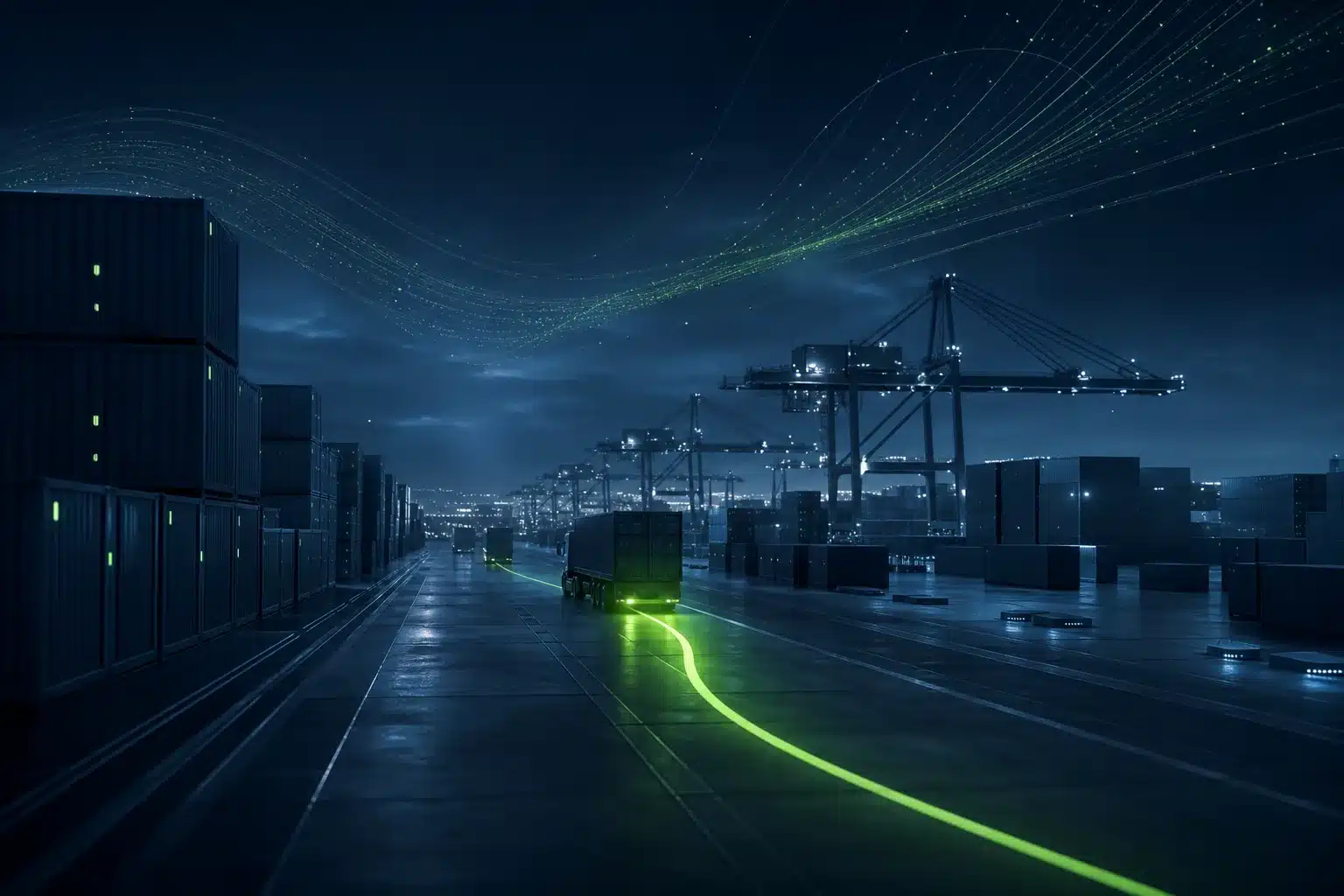
High-uptime cloud hosting on dedicated infrastructure for 3PLs, freight forwarders, carriers, customs brokers and distributors around Port Newark, the Meadowlands and the tri-state. Warehouse and transportation management systems that stay up through the night shift, EDI and API integrations that keep trucks moving, and a real engineer on the phone when a scanner goes dark. The infrastructure side of the supply chain handled, so your operations team can focus on the freight.
The Real Problem
What's Actually Broken in Logistics IT.
Most logistics IT problems are not exotic. They are four operational realities, made expensive by trucks that wait and customers who measure you in minutes. Here is what we hear from operations and IT leaders in this space.
The WMS Goes Down, the Dock Stops
When the warehouse management system stalls, pickers stand still, trailers wait at the door and detention charges start. An hour of downtime at midnight costs more than the server it runs on.
EDI and API Chains Break Silently
Carrier tenders, customs filings, ASN feeds and customer portals depend on integrations that fail quietly. Nobody notices until a shipper calls about the missing 214 status.
Cargo Security Now Includes Cyber
C-TPAT, TSA and major shippers' vendor programs ask about access control, backups and incident response. A flat network with a shared admin password fails the questionnaire before the site visit.
Every Warehouse Has Its Own Server Room
Multiple facilities, each with an aging server, a different Wi-Fi vendor and backups nobody tests. Standardizing is a project no one has time for; not standardizing is what causes the next outage.
How We Address It
High-Availability Infrastructure That Keeps Freight Moving.
WMS and TMS on Dedicated Infrastructure
Warehouse, transportation, yard and fleet management systems on single-tenant hardware with documented uptime targets and capacity planned for peak season, not average load.
Integrations Monitored End to End
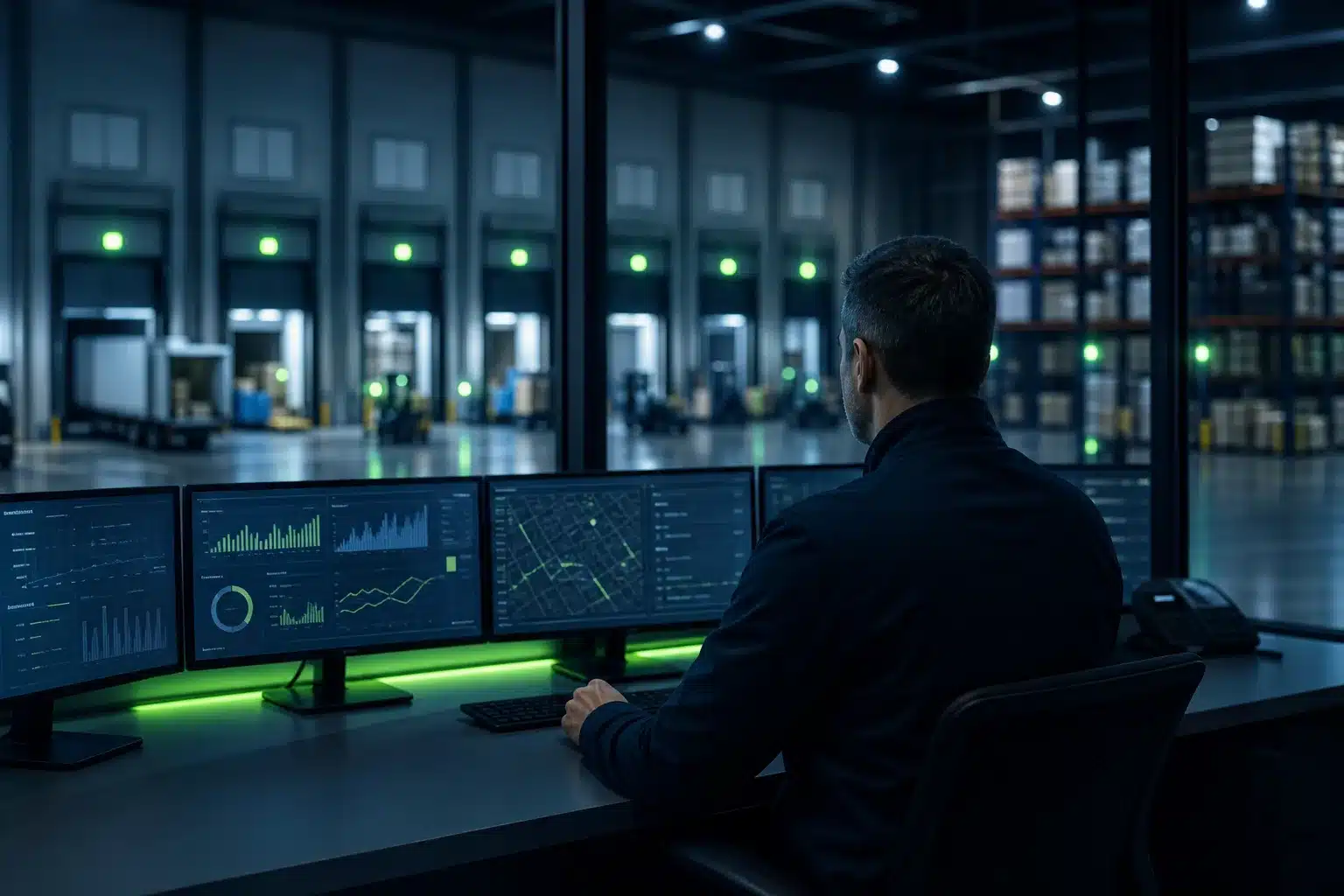
EDI, API and portal integrations monitored as services, not as servers. A failed 214, a stalled ASN or a customs filing that did not go out pages an engineer before a customer calls.
Multi-Site, One Standard
Every facility on the same secure network design, the same backup schedule and the same recovery plan, managed centrally. Opening a new warehouse is a runbook.
Security Evidence for Shipper and C-TPAT Programs
MFA, segmentation, encryption, tested backups and centralized logging documented in the form shipper security questionnaires and C-TPAT validations expect.
Logistics Platform Experience
Manhattan, Blue Yonder, HighJump, 3PL Central, MercuryGate, McLeod, CargoWise and the customs and EDI platforms brokers and forwarders run on are on our infrastructure today, with runbooks for scanner, printer and RF dependencies.
Recommended Cloud Models
The Right Cloud Models for Logistics Workloads.
Three IT Vortex services that map most directly to round-the-clock operations, integration chains and facilities spread across the port corridor.
Dedicated infrastructure
Private Cloud
Single-tenant dedicated infrastructure for WMS, TMS and EDI with documented uptime targets and peak-season capacity. The right answer when downtime is measured in detention charges.
Explore Private CloudPush-button failover
Disaster Recovery
Replicated, tested recovery with recovery objectives set around the night shift and the dock schedule. The right answer when a ransomware event cannot be allowed to stop the freight.
Explore DRaaSFully operated for you
Managed Cloud
Fully operated infrastructure with integration monitoring, patching and 24/7 engineering included in one monthly number. The right answer for operators whose IT team is also the RF scanner team.
Explore Managed CloudProof in This Vertical
Built and Trusted by Organizations Like Yours.
10x
Global Workforce Scale (100 to 1,000+)
A leading global real estate firm used IT Vortex cloud-based services to scale from 100 to over 1,000 team members worldwide, attracting the savviest, most sought-after agents in the industry.
Nest Seekers InternationalGlobal Real Estate
Read the case study
Common Questions
What Logistics Operators Ask Before They Sign.
Can you guarantee our WMS stays up on the night shift?
+
We design for it and we document it. Dedicated infrastructure with redundant power, cooling and connectivity, replicated to a second site, monitored around the clock with engineers on shift, and uptime targets written into the service agreement. Scheduled maintenance follows your dock calendar, not ours.
How do you handle our EDI and carrier integrations?
+
Integrations are monitored as services with their own alerts, not just as servers that are up. A missing status message, a stalled ASN feed or a customs filing that failed pages an engineer with the transaction details. We also coordinate with your VAN and API partners during migration so nothing goes quiet unnoticed.
Our scanners, printers and RF network are on site. What changes?
+
They stay on site and keep working. The WMS and its database move to the datacenter, the facility connects over redundant circuits with cellular failover, and local caching keeps scanning alive through a short link outage. We inventory every dependency before the move so the first pick after cutover looks exactly like the last one before it.
Can you help with shipper security questionnaires and C-TPAT?
+
Yes. We supply the infrastructure security evidence those programs ask for: access control and MFA, network segmentation, encryption, tested backups, logging and incident response procedures, in a standard narrative you can attach to shipper questionnaires and C-TPAT validation submissions. Physical cargo security controls remain with your facility team.
We run several facilities with different setups. Where do we start?
+
With the one that hurts most, usually the facility with the oldest server or the biggest customer. We standardize it, document the runbook, then bring the others onto the same design one at a time so operations never sees a flag-day migration.
Get Started
Tell Us About Your Operation.
We will come back with a tailored cloud assessment and proposed architecture within one business day.
Logistics Cloud Consultation Request
One business day response. No obligation.